The Hidden Costs of DIY Moving
Many homeowners initially gravitate toward DIY moves based solely on price comparisons. A moving company quotes $2,000 while renting a truck costs $200—the choice seems obvious. However, this calculation overlooks numerous hidden expenses that quickly erode the apparent savings.
Truck rental is just the beginning. Add fuel costs for a large, inefficient vehicle making multiple trips. Factor in packing materials—professional-grade boxes, bubble wrap, packing paper, tape, and specialty containers for dishes or wardrobes. Include insurance, since your standard auto policy likely doesn’t cover rental trucks. Consider tolls, parking fees, and potential traffic violations if you’re unfamiliar with driving large vehicles.
The financial risk extends further. Damage to your belongings isn’t covered beyond basic rental truck insurance. Injuries during the move could mean medical bills and lost wages. Property damage—scratched floors, dented walls, broken doorframes—becomes your responsibility and expense to repair. When homeowners calculate the true cost of DIY moving, including these hidden factors and potential disasters, professional services often represent comparable or even better value.
Expertise That Prevents Costly Mistakes
Professional movers bring years of accumulated experience to your relocation. They’ve navigated every conceivable challenge: oversized furniture that won’t fit through standard doorways, fragile antiques requiring specialized packing, narrow staircases demanding precise maneuvering techniques.
This expertise manifests in countless ways throughout your move. Professionals know which items need disassembly and how to accomplish it without losing crucial hardware. They understand weight distribution inside trucks, preventing shifting cargo that damages belongings. They’ve mastered lifting techniques that protect both the items being moved and the people moving them.
Consider a piano—a common household item that exemplifies why expertise matters. Moving a piano incorrectly can destroy the instrument, cause serious injury, or damage your home. Professional piano movers use specialized equipment, understand the instrument’s center of gravity, and know how to navigate stairs safely. This single item alone often justifies hiring professionals rather than attempting a DIY move.
Homeowners recognize that mistakes during a move can have lasting consequences. A cracked family heirloom, a broken television, or a injured back aren’t worth the modest savings a DIY move might offer.
Time Is Valuable Currency
Modern homeowners increasingly view their time as a precious, limited resource. The time investment required for a DIY move is substantial—typically 20 to 50 hours depending on home size and distance. This includes gathering materials, packing, loading, driving, unloading, unpacking, and returning rental equipment.
For working professionals, this time must come from somewhere. Taking multiple days off work means lost income or depleted vacation time. Sacrificing weekends for weeks before and after the move eliminates rest and family time during an already stressful period.
Professional movers compress this timeline dramatically. What might take a family an entire weekend to pack can be accomplished by a professional crew in hours. Loading and unloading happen in a single day rather than multiple trips. The efficiency allows homeowners to focus on other critical aspects of their transition—finalizing paperwork, settling children into new schools, starting new jobs.
Many homeowners calculate their effective hourly rate and compare it against moving costs. A professional earning $75 per hour who spends 40 hours on a DIY move is effectively paying $3,000 in time value. Suddenly, a $2,500 professional moving quote looks like a bargain, especially considering the added benefits of expertise and reduced stress.
Physical Safety and Liability Protection
Moving is physically demanding and potentially dangerous. Heavy lifting, awkward angles, stairs, and fatigue create perfect conditions for injury. Back strains, pulled muscles, and more serious injuries are common among DIY movers lacking proper training and equipment.
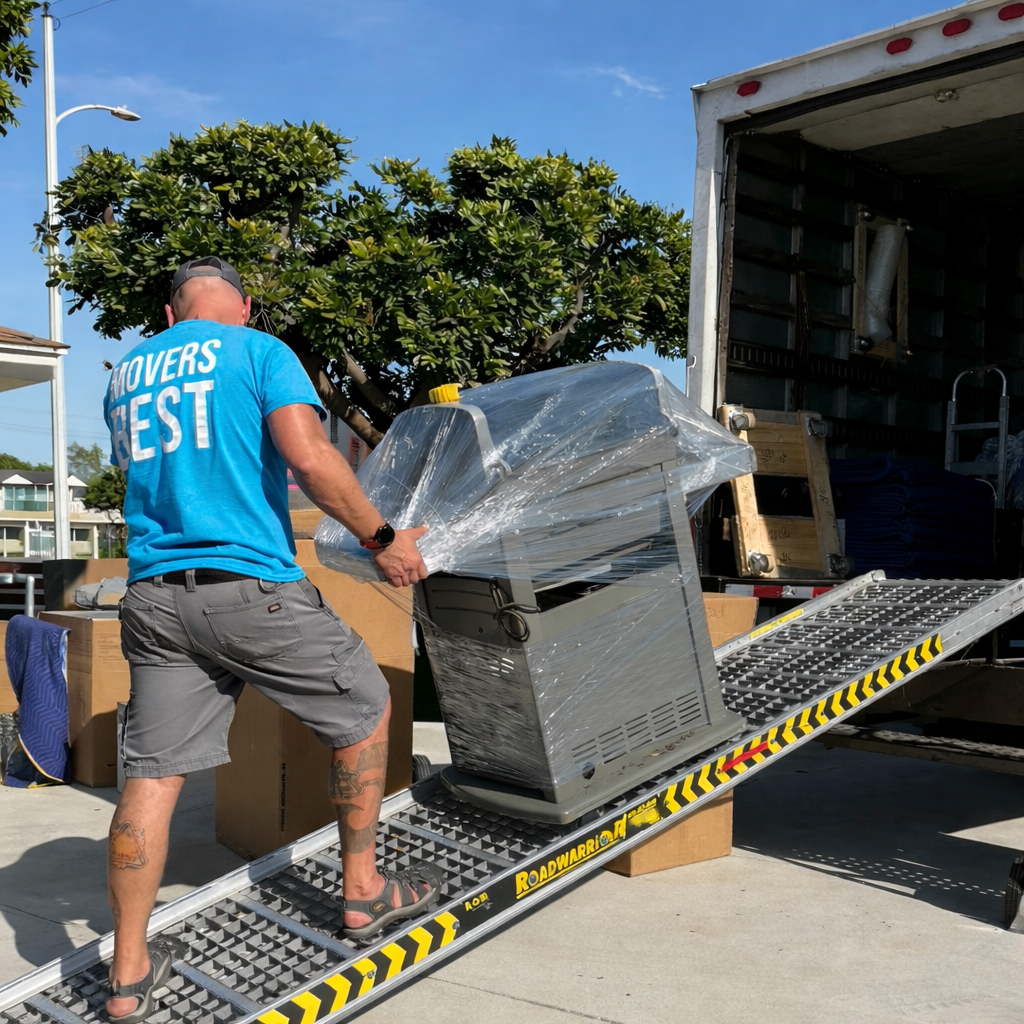
Professional movers are trained in ergonomic lifting techniques and use equipment—dollies, straps, ramps, furniture pads—that minimize physical strain and injury risk. They’re conditioned for this work, unlike homeowners who suddenly demand intense physical labor from bodies unaccustomed to such exertion.
Liability represents another crucial consideration. When friends or family help with your DIY move, you assume responsibility if they’re injured on your property. Professional moving companies carry workers’ compensation insurance, protecting you from this liability. Their general liability insurance also covers damage to your property during the move—protection that doesn’t exist when you’re moving yourself.
Homeowners with health concerns, physical limitations, or simply an understanding of their own capabilities recognize that professional movers aren’t just convenient—they’re often necessary for safe relocation.
Comprehensive Insurance and Accountability
When something breaks during a professional move, clear accountability exists. Reputable moving companies offer various insurance levels, from basic coverage to full replacement value protection. This provides peace of mind that DIY moves cannot match.
Professional movers maintain detailed inventories, photograph items before loading, and document the condition of belongings. This creates a paper trail that protects both parties. If you discover damage after delivery, you have recourse through the company’s claims process.
In contrast, DIY moves leave you entirely responsible for any damage. Drop your television while carrying it downstairs? That’s your loss. Scratch your hardwood floors dragging furniture? Your repair bill. This financial risk concerns homeowners, particularly those with valuable belongings or limited budgets for replacing damaged items.
The accountability extends beyond physical items. Professional movers commit to pickup and delivery windows, creating reliable timelines. DIY moves depend entirely on your own coordination and that of anyone helping you—schedules that can unravel quickly when someone cancels at the last minute or unexpected delays occur.
Stress Reduction and Mental Health
The emotional toll of moving ranks it among life’s most stressful events, comparable to divorce or job loss. Homeowners increasingly recognize that protecting their mental health and emotional wellbeing during major transitions is worth the investment in professional services.
Professional movers eliminate countless decision points and physical tasks that contribute to moving stress. You’re not spending evenings after work packing boxes while worrying about everything that could go wrong. You’re not arguing with family members about the best way to load the truck. You’re not lying awake at night wondering if you’ve forgotten something crucial.
The peace of mind from knowing experienced professionals are handling your belongings allows homeowners to focus on the emotional aspects of moving—saying goodbye to a cherished home, helping children adjust, or managing the anxiety of starting fresh in a new community. This mental space for processing the transition is invaluable.
Reliability When It Matters Most
Moving deadlines are often inflexible. You must vacate your old home by a certain date. Your new home is available starting on a specific day. Closing dates, lease expirations, and job start dates create immovable constraints.
Professional moving companies provide reliability during these high-stakes situations. They schedule your move in advance, commit to specific dates, and have backup resources if equipment fails or staff call in sick. Their business depends on meeting commitments, creating strong incentive for reliability.
DIY moves lack this reliability. Friends who promise to help might cancel. Rental trucks might not be available when you need them. Weather, illness, or unexpected events can derail your plans without backup options. The risk of missing critical deadlines—and the potential financial consequences—makes professional movers’ reliability especially valuable.
Conclusion
The decision between professional movers and DIY relocation isn’t simply about cost—it’s about value, risk management, and quality of life during a major transition. Homeowners increasingly trust professional movers because they understand the hidden costs of DIY moves, value the expertise that prevents damage and injury, recognize their time as precious, prioritize safety and liability protection, appreciate comprehensive insurance coverage, seek stress reduction during an already difficult period, and require reliability when timing is critical.
Professional movers transform moving from an overwhelming ordeal into a managed process, allowing homeowners to focus on the exciting aspects of their new beginning rather than the logistics of getting there. As life becomes busier and moves become more complex, this professional expertise isn’t a luxury—it’s an investment in a successful, safe, and significantly less stressful relocation.