Moving is consistently ranked among the most stressful life events a person can experience — right alongside divorce, job loss, and serious illness. That ranking isn’t an exaggeration. The physical demands, the logistical complexity, the emotional weight of uprooting your life, and the sheer number of decisions that must be made under deadline pressure can overwhelm even the most organized person. Professional movers don’t just carry boxes — they absorb that burden. Understanding exactly how they save you time and protect your mental health is the clearest argument for why their cost is rarely just an expense, but an investment.
The Hidden Time Cost of a DIY Move
Most people dramatically underestimate how long a self-managed move actually takes. The mental accounting usually goes something like: a few weekends of packing, one long moving day, done. The reality is far more demanding.
Consider everything that must happen before a single box leaves the house: sourcing packing materials, disassembling furniture, wrapping fragile items, labeling, loading a rental truck you’ve never driven, navigating traffic, unloading, reassembling, and then returning the vehicle. When researchers and moving industry analysts have tracked actual DIY move timelines, the total hours invested — including planning, physical labor, and recovery — routinely reach two to three times the original estimate. For a typical three-bedroom home, a self-managed move can consume the better part of two full weeks of evenings and weekends.
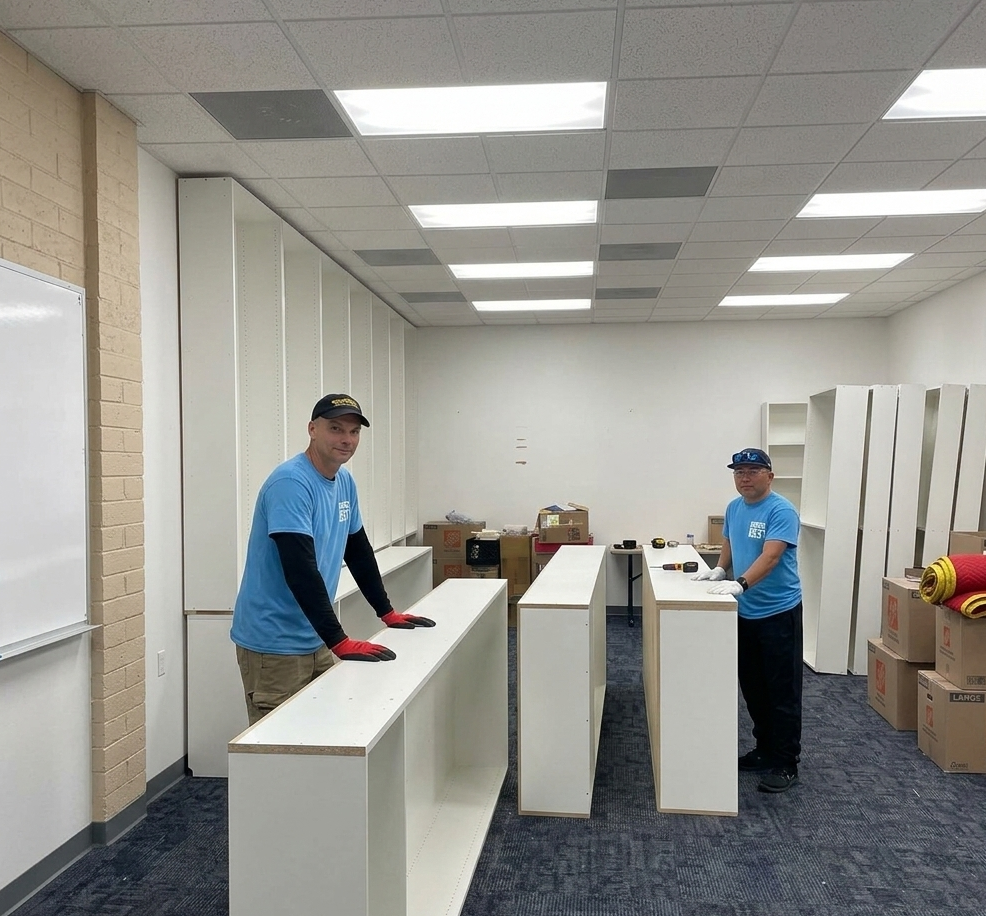
Professional movers compress that timeline dramatically. An experienced crew can pack, load, transport, and unload the same home in a single day. What you planned to do over multiple weekends happens while you manage other priorities.
Packing: Where Time and Stress Collide
Packing is almost universally cited as the most dreaded part of any move. It’s not simply the physical labor — it’s the decision fatigue. Every item requires a judgment: keep it, donate it, wrap it, box it, label it. Multiply that by the contents of an entire home and the cognitive load becomes genuinely exhausting.
Professional packing services remove this burden entirely. Trained packers work with a systematic efficiency that most individuals cannot match on their own. They know how to wrap a mirror so it survives transport, how to pack dishes to prevent breakage, and how to maximize box density without risking damage. What takes a homeowner a full weekend to pack haphazardly, a professional team can complete in hours — and with a higher degree of care.
For people who are working full-time, managing children, or dealing with health limitations, this time recovery isn’t a luxury. It’s what makes the move functionally possible.
Stress Reduction Through Accountability and Expertise
A significant portion of moving stress comes not from the physical work itself, but from uncertainty. Will everything fit in the truck? Will the furniture get scratched? What if something breaks? What if the elevator is booked? What if the new address requires a permit for parking a large vehicle?
Professional movers operate within systems designed to eliminate these uncertainties. They conduct pre-move assessments, coordinate logistics in advance, carry the right equipment for every scenario, and have contingency plans for common complications. That expertise doesn’t just solve problems — it prevents them from arising in the first place.
There is also the psychological effect of accountability. When you hire a reputable moving company, you are no longer solely responsible for the outcome. If something goes wrong, there is a claims process, an insured liability, and a professional obligation to make it right. That transfer of responsibility, even partial, measurably reduces the stress burden on the individual.
Physical Strain and Its Real-World Consequences
The physical demands of moving are not trivial. Back injuries sustained during DIY moves are among the most common moving-related medical incidents reported each year. A single awkward lift of a heavy dresser or an improperly carried appliance can result in days or weeks of pain — or worse, a chronic injury that lasts far longer than the move itself.
Professional movers are trained in proper lifting technique, use equipment specifically designed for heavy and awkward loads, and work as coordinated teams to distribute physical stress safely. The time you might spend recovering from a moving injury — and the associated medical costs — can easily exceed what you would have paid for professional help in the first place.
What You Can Do With the Time You Reclaim
The value of time saved by professional movers extends well beyond the move itself. The hours and energy you don’t spend on logistics can be redirected toward things that genuinely matter during a transition:
- Setting up your new home thoughtfully rather than collapsing into it exhausted
- Saying proper goodbyes to neighbors, colleagues, and friends in your current location
- Handling the administrative tasks of a move — address changes, utility transfers, school enrollments — with attention rather than in a panic
- Being present for children or other family members who may be finding the transition emotionally difficult
- Starting your life in a new place with energy rather than recovering from the process of getting there
The True Cost Calculation
When people weigh the cost of professional movers against a DIY approach, they typically compare the moving company’s quote against the rental truck fee. That comparison omits most of the real variables: your time at its actual hourly value, the cost of packing materials, the risk of damage to belongings or property, the physical recovery period, and the intangible but very real cost of arriving at your new home depleted rather than ready to begin.
Framed correctly, professional movers are not a premium service for people with excess money. They are a rational choice for anyone who values their time, their health, and their capacity to start the next chapter of their life in reasonable condition. The move is not the destination — it’s the transition. How you experience that transition has a lasting effect on how you feel about where you’ve arrived.