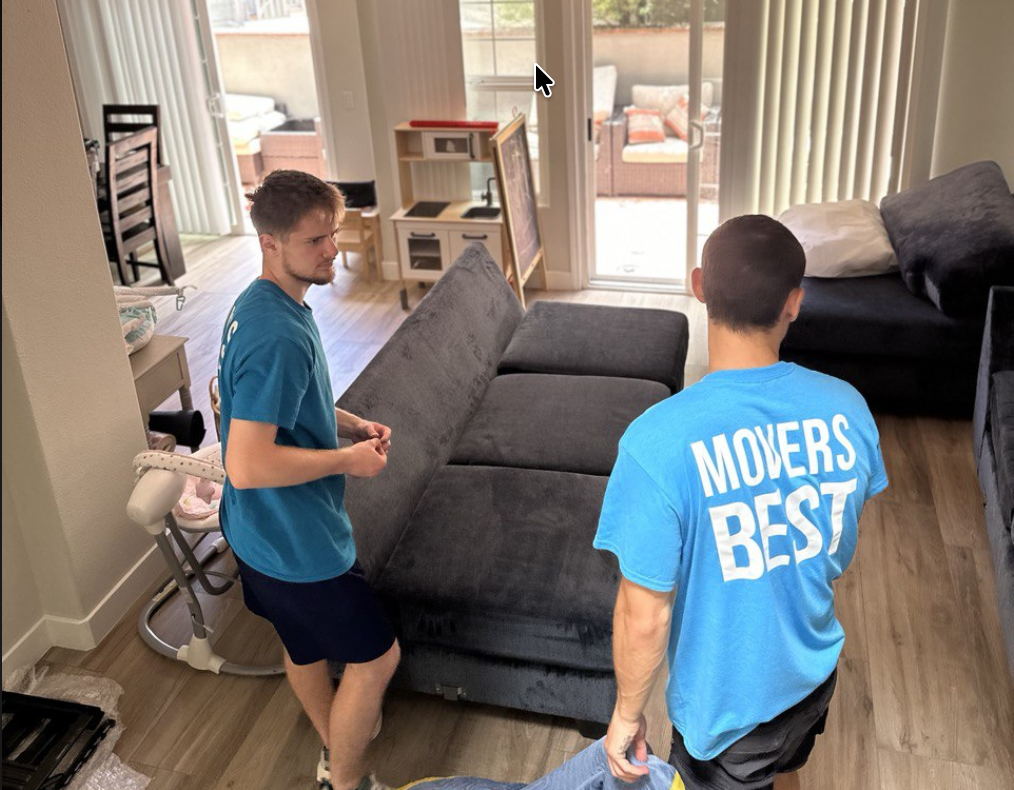
Moving within Irvine might seem straightforward—after all, you’re staying in the same city. However, apartment moves in this Orange County hub come with unique challenges that can turn a simple relocation into a logistical nightmare if you’re unprepared. From building restrictions to parking limitations, here’s what you need to know about local apartment moving in Irvine.
The Elevator Reservation Challenge
One of the most overlooked aspects of apartment moving in Irvine is elevator access. Many complexes, especially luxury high-rises in areas like Irvine Spectrum or University Park, require advance reservations for elevator use during moves. Some buildings even have dedicated service elevators that must be booked weeks ahead.
Failing to reserve an elevator can result in several problems. You might be forced to use stairs, dramatically increasing moving time and labor costs. Some buildings impose fines for unauthorized elevator use or moving during restricted hours. Worse yet, you could arrive on moving day only to find another resident has the elevator booked, leaving your movers idling—and you paying hourly rates for the delay.
Contact both your current and new building management at least two to three weeks before your move. Ask about elevator policies, reservation procedures, required deposits, and any specific moving hours. Document everything in writing to avoid disputes.
Building-Specific Restrictions
Irvine apartment complexes often have strict moving policies that differ dramatically from one building to another. Many require certificates of insurance from your moving company, proof of reservation, and adherence to specific moving windows—typically weekdays between 9 AM and 5 PM.
Some upscale complexes mandate the use of protective padding in elevators and hallways. Others restrict dolly types to prevent floor damage or require door jamb protection. The Irvine Company properties, which dominate the rental market here, have particularly detailed requirements that vary by community.
Violating these rules can result in fines ranging from $100 to $500 or even forfeiture of your security deposit. Share your building’s requirements with your moving company beforehand to ensure compliance.
Parking Nightmares
Parking a moving truck in Irvine apartments presents unique challenges. Many complexes have narrow driveways, underground parking, or limited street access. The further your truck parks from your unit, the more time and money you’ll spend on the move.
Irvine’s parking regulations add another layer of complexity. Street parking may require permits, and some areas have time restrictions or regular street cleaning schedules. Apartment complexes often have designated loading zones that must be reserved in advance.
Scout your parking situation beforehand. Measure clearances if your building has low-hanging structures. Obtain necessary permits from the city or HOA. If parking is extremely limited, consider scheduling your move during off-peak hours when competition for spaces decreases.
Packing for Apartment Moves
Apartment living means dealing with spatial constraints that houses don’t have. Narrow hallways, tight corners, and standard-sized doorways can make moving large furniture difficult or impossible. That oversized sectional sofa might not fit through your new apartment’s entry, regardless of how many angles you try.
Measure doorways, hallways, and elevators in both locations before moving day. Compare these measurements against your largest furniture pieces. You may need to disassemble items, remove doors temporarily, or even consider selling pieces that won’t fit.
Protect your belongings and the building with proper packing materials. Use mattress bags, furniture blankets, and corner protectors. Irvine’s apartment buildings often have strict policies about damage to walls, elevators, and common areas, with residents held financially responsible for repairs.
Climate Considerations
While Irvine enjoys mild weather year-round, summer moves can still be challenging. Temperatures in enclosed apartments, stairwells, and elevators can climb significantly. Heat affects both movers and temperature-sensitive items like electronics, candles, and plants.
Schedule moves during cooler morning hours if possible. Keep water available for movers, and pack temperature-sensitive items last so they spend minimal time in heat. If moving expensive electronics, consider transporting them in your air-conditioned vehicle.
The Community Factor
Irvine’s master-planned communities often have homeowners associations that govern apartment complexes. These HOAs may have additional requirements beyond standard building rules, including specific moving company insurance requirements, noise ordinances, and guest parking policies.
Respect your neighbors during the move. Irvine residents value the city’s quiet, orderly atmosphere. Avoid blocking driveways, keep noise levels reasonable, and clean up any debris immediately. A courteous move helps you start off on the right foot in your new community.
Hidden Costs to Consider
Local apartment moves in Irvine can accumulate unexpected expenses. Elevator reservation fees, building deposits, parking permits, additional insurance requirements, and extended labor time due to building constraints all add up quickly.
Get detailed quotes that account for Irvine-specific challenges. Discuss potential obstacles with your moving company upfront. Budget an extra 15-20% beyond your estimate to cover unexpected issues.
Final Preparation Tips
Success in Irvine apartment moving comes down to preparation. Create a timeline starting four weeks before your move. Coordinate with building management at both locations. Confirm all reservations in writing. Pack strategically, label clearly, and measure everything that might not fit.
Moving between Irvine apartments doesn’t have to be stressful. With proper planning and awareness of these hidden challenges, you can ensure a smooth transition to your new home.