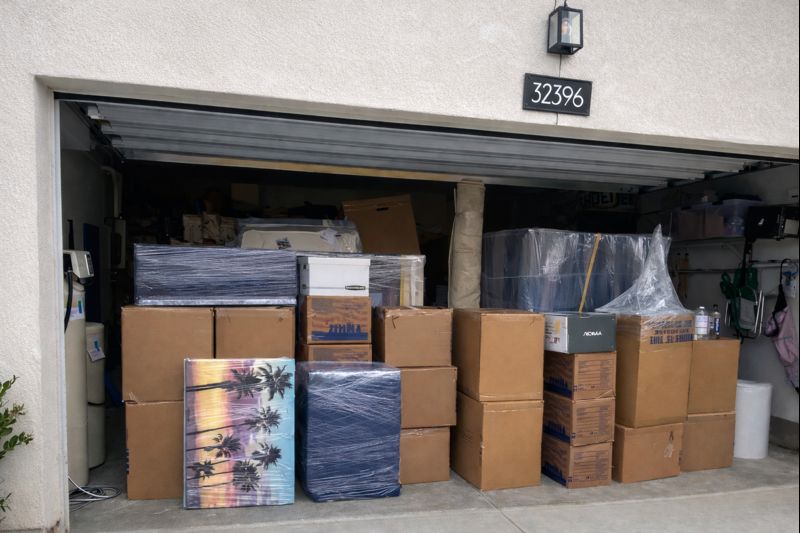
Moving across state lines or to a distant city is already expensive enough without adding costly mistakes to the mix. Unfortunately, many people learn about these pitfalls only after they’ve already damaged their budget. Here are the most common long-distance moving mistakes that can drain thousands from your wallet—and how to avoid them.
Choosing the Lowest Bid Without Research
The cheapest quote isn’t always the best deal. Some moving companies lowball their estimates to win your business, then hit you with hidden fees on moving day. Others may be unlicensed or uninsured, leaving you with no recourse if something goes wrong.
Before signing a contract, verify the company’s USDOT number, read online reviews, and get at least three written estimates. A reputable mover will conduct an in-home assessment rather than giving a quote over the phone. This small investment of time can save you from fraud or subpar service that costs far more than you bargained for.
Underestimating Your Belongings
Many people eyeball their possessions and guess at the volume, leading to inaccurate quotes. When the moving truck arrives and your items don’t fit, you’ll face emergency charges for additional space or a second trip. Long-distance movers typically charge by weight and distance, so miscalculating can add thousands to your final bill.
Take inventory of everything you own, including garage items, attic storage, and closets. Use online calculators to estimate volume and weight. Being accurate from the start prevents surprise charges and helps you decide what’s worth moving versus replacing.
Failing to Declutter Before Moving
Transporting items you don’t need is literally throwing money away. Long-distance moves can cost $2,000 to $10,000 or more, and you’re paying to move every single item. That broken chair, outdated electronics, or clothes you haven’t worn in years are all adding to your costs.
Start decluttering at least two months before your move. Sell valuable items, donate usable goods, and dispose of broken belongings. Not only will this reduce your moving costs, but you might even make some money back through garage sales or online marketplaces.
Skipping Insurance Coverage
Basic carrier liability coverage usually offers only 60 cents per pound per item. If your mover drops your $2,000 television, you might receive less than $100. Many people discover this too late, after their valuables are already damaged.
Purchase full-value protection or check if your homeowner’s insurance covers moving. While it costs extra upfront, comprehensive coverage protects you from catastrophic losses. Consider the replacement value of your belongings and decide accordingly.
Poor Packing Practices
Improperly packed items lead to damage, which means replacement costs. Using old boxes, insufficient padding, or incorrect packing methods can turn your belongings into expensive casualties. Professional packing services cost money, but damaged furniture and electronics cost more.
If packing yourself, invest in quality materials and learn proper techniques. Heavy items go in small boxes, fragile items need extra cushioning, and boxes shouldn’t exceed 50 pounds. Label everything clearly to prevent mishandling.
Last-Minute Booking
Waiting until the last minute to book your move can cost you dearly. The best moving companies book up weeks or months in advance, especially during peak season. Desperate, you’ll either pay premium rates for rushed service or settle for less reliable movers.
Book your move at least four to six weeks in advance, or even earlier if moving during summer months. Early booking often comes with discounts and gives you time to prepare properly.
Ignoring Moving Day Logistics
Failing to plan for moving day itself creates expensive problems. If your new home isn’t ready for move-in, you might need costly temporary storage. Parking tickets for the moving truck, building access fees, or elevator reservations you forgot to arrange can add hundreds in unexpected charges.
Confirm all logistics well in advance, communicate with both properties, and have a contingency plan ready.
The key to avoiding these expensive mistakes is simple: plan ahead, do your research, and don’t cut corners. A little extra effort upfront can save you thousands in the long run.