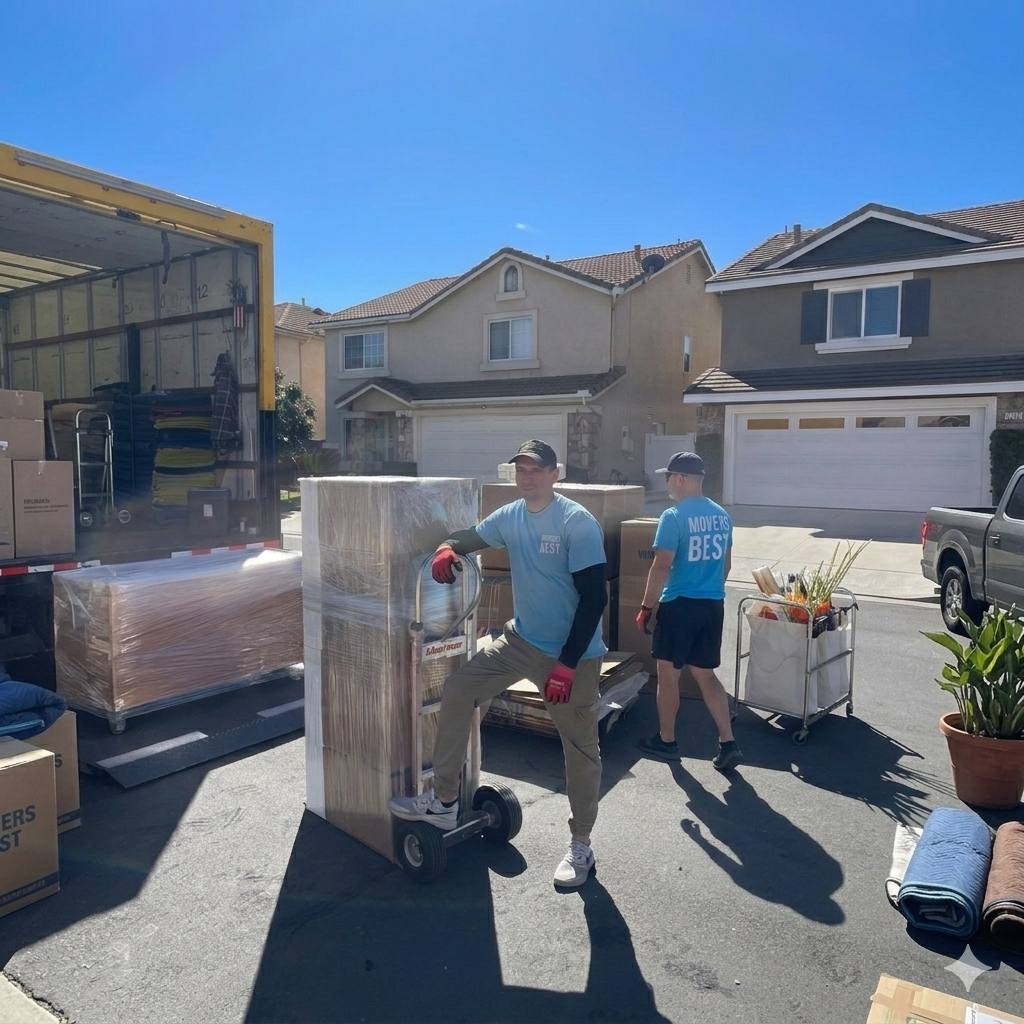
Moving has never been a particularly green activity. A long-distance relocation involves large diesel trucks, hundreds of miles of highway travel, substantial quantities of single-use packing materials, and the kind of logistical intensity that leaves a measurable environmental footprint. For years, most people accepted this as simply the cost of relocating — an unavoidable byproduct of a necessary life event. That assumption is increasingly being challenged. As environmental awareness shapes consumer decisions across nearly every industry, the moving sector is responding with practices, technologies, and options that meaningfully reduce the ecological impact of getting from one home to another.
Why Long-Distance Moving Has an Outsized Carbon Footprint
To understand where sustainable improvements matter most, it helps to understand where the environmental impact is concentrated. Long-distance moving produces emissions from three primary sources: fuel combustion in transport vehicles, the production and disposal of packing materials, and the energy consumed in warehouse storage facilities.
Of these, transportation is by far the largest contributor. A fully loaded long-haul moving truck traveling 1,000 miles burns roughly 100 to 150 gallons of diesel fuel, releasing somewhere between one and 1.5 metric tons of carbon dioxide in a single trip. Multiply that across millions of household moves per year in the United States alone, and the cumulative environmental impact is substantial.
Packing materials add another layer. The cardboard boxes, plastic bubble wrap, foam peanuts, and tape used in a typical residential move represent both raw material consumption and, in most cases, a single-use waste stream that ends up in landfills shortly after delivery day.
How Moving Companies Are Reducing Fuel Emissions
The most direct path to a lower-carbon long-distance move runs through the vehicles doing the hauling. Forward-thinking carriers are investing in fleet upgrades and operational strategies that reduce fuel consumption without compromising service.
Route optimization software has become a meaningful efficiency tool. By calculating the most fuel-efficient path between origin and destination — factoring in traffic patterns, road grades, and load weight — carriers can reduce fuel consumption per mile by a measurable percentage across their entire fleet. At scale, these incremental gains add up to significant emissions reductions.
Consolidated shipping is another lever. When a carrier combines multiple smaller shipments onto a single truck rather than sending partially loaded vehicles, the emissions per household served drop considerably. This is the same logic that makes a full bus more efficient than dozens of individual car trips. Customers whose timelines allow for flexible delivery windows are often eligible for consolidated load pricing — a financial incentive that also happens to be the more environmentally responsible option.
Some carriers are beginning to trial alternative fuel vehicles for regional legs of long-distance moves, using biodiesel blends or compressed natural gas where infrastructure supports it. Full electrification of long-haul moving trucks remains years away from commercial viability at scale, but the transition is underway, and the companies investing in it now will be positioned to offer meaningfully lower-emission moves as the technology matures.
Sustainable Packing Materials and What to Look For
The packing materials used in a long-distance move represent one of the more immediate areas where both movers and customers can make environmentally conscious choices. The conventional approach — new cardboard boxes, polyethylene bubble wrap, expanded polystyrene foam — generates considerable waste. Sustainable alternatives exist at every level.
Eco-conscious moving companies have shifted toward reusable plastic moving bins for local components of long-distance moves, reducing cardboard consumption significantly. For cushioning and void fill, shredded recycled paper, biodegradable cornstarch peanuts, and textile wrapping — using moving blankets and even the customer’s own linens, towels, and clothing — provide protection without generating disposable waste.
When cardboard boxes are used, the most responsible approach is sourcing recycled-content boxes and committing to a post-move recycling or redistribution plan. Many moving companies now partner with box recycling programs that collect used materials at delivery for reuse in future moves. Customers who specifically request these options from their carrier are both reducing their own footprint and signaling market demand that accelerates industry-wide adoption.
The Role of Decluttering in Sustainable Relocation
One of the most impactful and most overlooked eco-conscious moving decisions has nothing to do with trucks or packing materials. It is the decision of what not to move.
Every pound of household goods that travels long distance contributes to the weight-based fuel consumption of the haul. A move that is 2,000 pounds lighter burns less fuel, requires less truck space, and may even fit into a consolidated load that would otherwise require a dedicated vehicle. The environmental math is direct and compelling.
Thoughtful decluttering before a long-distance move — donating usable furniture and clothing to local organizations, selling items through community platforms, responsibly recycling electronics and appliances — reduces the shipment weight while keeping usable goods in circulation rather than landfills. The items that don’t make the move don’t need to be repurchased immediately in the new location either, which compounds the environmental benefit.
Greener Choices Customers Can Make Right Now
Sustainability in long-distance moving doesn’t require waiting for the industry to fully transform. Customers booking moves today have options that can meaningfully reduce their environmental impact:
- Choose carriers that publish explicit sustainability commitments or participate in carbon offset programs
- Opt for flexible delivery windows to enable consolidated shipping rather than dedicated truck loads
- Request recycled or reusable packing materials and confirm the carrier’s post-move recycling process
- Declutter aggressively before the move to reduce shipment weight and extend the useful life of goods in your community
- Ask your carrier about carbon offset options, which allow you to neutralize the emissions from your specific haul through verified environmental projects
Sustainability as a Selection Criterion
As environmental expectations continue to shift, the question of a moving company’s sustainability practices is becoming a legitimate factor in carrier selection — particularly for customers whose values extend into how they manage major life transitions. Companies that have invested in fuel-efficient fleets, responsible materials sourcing, and transparent emissions reporting are not simply making a marketing choice. They are building operational capability that will matter more, not less, as environmental standards tighten and consumer expectations rise.
A long-distance move will never be a zero-impact event. The distances are real, the fuel is consumed, and the logistics are complex. But the gap between a conventionally managed move and a thoughtfully optimized one — in terms of materials wasted, fuel burned, and carbon released — is larger than most people realize, and it is a gap that both movers and their customers have the power to close