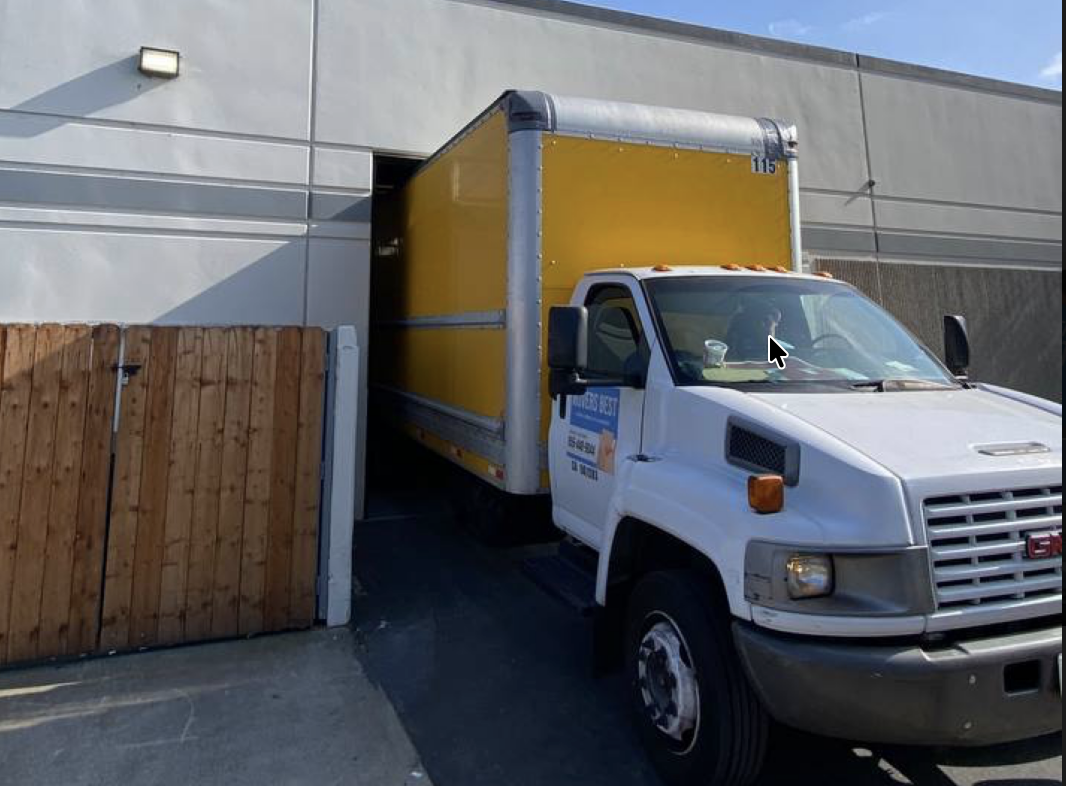
When planning a long distance move, the cheapest quote might seem appealing, but choosing unlicensed or uninsured movers can turn into a costly nightmare. Licensing and insurance aren’t just bureaucratic formalities—they’re essential protections that safeguard your belongings, your finances, and your legal rights. Understanding why these credentials matter helps you make informed decisions and avoid moving scams that cost Americans millions annually.
What Licensing Actually Means
Licensed movers have met specific legal requirements proving they’re legitimate businesses authorized to transport household goods across state lines. For interstate moves, the Federal Motor Carrier Safety Administration (FMCSA) requires moving companies to obtain a USDOT number, which verifies they’ve registered their business, demonstrated financial responsibility, and agreed to comply with federal regulations.
This licensing process isn’t automatic. Companies must provide proof of insurance, submit to safety audits, and maintain compliance with transportation regulations. The USDOT number creates accountability—you can look up any moving company’s safety record, complaint history, and insurance status on the FMCSA website before hiring them.
State-level licensing adds another layer of protection. Many states require additional permits, bonds, and insurance coverage for movers operating within their borders. Licensed movers display their credentials prominently on their websites, trucks, and paperwork. If a company can’t provide these numbers immediately, that’s a major red flag.
The Insurance Protection You Need
Insurance separates legitimate movers from fly-by-night operations. Professional moving companies carry multiple types of insurance that protect you throughout the moving process. Cargo insurance covers your belongings during transit, while liability insurance protects you if movers damage your property or injure themselves on your premises.
Licensed movers are required to offer basic liability coverage, typically calculated at 60 cents per pound per item. While this minimal coverage is better than nothing, it’s rarely sufficient. A 50-pound flat screen TV would only receive $30 compensation under basic coverage—far below its actual value.
That’s why reputable movers offer full value protection, which covers the replacement cost or repair value of damaged items. This comprehensive coverage costs more but provides real protection for your belongings. Unlicensed movers often claim to have insurance but can’t provide proof or policy details, leaving you with no recourse when items are damaged or lost.
Protection Against Moving Scams
Moving fraud is rampant, with scammers specifically targeting long distance relocations where victims have limited recourse. Common scams include hostage loads, where movers refuse to unload until you pay far more than quoted, bait-and-switch pricing, and complete disappearance with your belongings.
Licensed and insured movers operate transparently because they answer to regulatory authorities. They provide written estimates, clear contracts, and documented inventory lists. If disputes arise, you can file complaints with the FMCSA and state consumer protection agencies, which have authority over licensed carriers.
Unlicensed movers operate in the shadows. They have no oversight, no accountability, and no incentive to treat you fairly. When problems occur, you have virtually no legal recourse. Law enforcement typically treats disputes with unlicensed movers as civil matters, leaving you to pursue expensive litigation with little chance of recovery.
Financial Security and Bonding
Licensed interstate movers must maintain surety bonds that provide financial protection if the company fails to meet its obligations. These bonds ensure that even if a moving company goes out of business or fails to complete your move, you have a mechanism for recovering your losses.
This financial security is crucial for long distance moves where your entire household is in transit for days or weeks. If an unlicensed mover abandons your belongings or goes bankrupt mid-move, you’re left stranded with no protection and no recourse.
Bonding requirements also discourage fly-by-night operations. The financial investment required to obtain and maintain proper licensing, insurance, and bonds means licensed movers have genuine business operations they’re committed to protecting through professional service.
Proper Equipment and Training
Licensed moving companies invest in proper equipment, vehicles, and employee training because they’re building sustainable businesses with reputations to maintain. Their trucks undergo regular safety inspections, meet federal standards, and carry proper markings identifying the company.
Employees of licensed companies typically undergo background checks, receive professional training in packing and handling techniques, and understand proper safety protocols. This training reduces damage to your belongings and injuries to workers, protecting everyone involved in the move.
Unlicensed movers often use rental trucks, borrowed equipment, and untrained labor. They lack the expertise to properly pack fragile items, load trucks efficiently, or handle specialty items safely. The resulting damage isn’t just frustrating—without insurance, you bear the full financial burden.
Legal Recourse When Problems Arise
Even with excellent movers, issues occasionally occur. Licensed and insured companies have established claims processes for addressing damage, loss, or service failures. Their insurance carriers handle claims professionally, and regulatory oversight ensures companies respond to complaints appropriately.
You can escalate unresolved issues with licensed movers to state and federal authorities who have jurisdiction over interstate transportation. The threat of regulatory action motivates licensed companies to resolve disputes fairly. Many also participate in arbitration programs that provide neutral resolution mechanisms.
With unlicensed movers, you have essentially no recourse. Small claims court might be an option, but unlicensed operators often operate under multiple business names, making them difficult to locate or sue successfully. Even if you win a judgment, collecting from an unlicensed operation is nearly impossible.
How to Verify Credentials
Verifying a moving company’s credentials is straightforward. Request their USDOT number and look it up on the FMCSA’s website. Check their safety rating, insurance status, and complaint history. A legitimate company welcomes this scrutiny and provides documentation readily.
Ask for proof of insurance and contact the insurance company directly to verify coverage is current and adequate. Reputable movers provide certificates of insurance without hesitation. Be wary of companies that make excuses, provide vague assurances, or become defensive when asked about credentials.
Check online reviews, but look beyond star ratings. Verify the company’s physical address and visit their office if possible. Licensed companies operate from legitimate business locations, not P.O. boxes or residential addresses. They answer phones with company names and provide professional documentation throughout the moving process.
The True Cost of Cheap Moves
Unlicensed movers undercut legitimate companies by avoiding insurance costs, licensing fees, proper equipment, and trained employees. That cheaper quote represents corners being cut—corners that directly affect your move’s safety and security.
When damage occurs, cheap quotes become expensive nightmares. Replacing damaged furniture, recovering lost items, and dealing with moving fraud costs far more than the difference between licensed and unlicensed movers’ quotes. The stress and disruption of moving disasters cannot be calculated in dollars alone.
Making the Right Choice
Long distance moves involve significant trust—you’re literally handing over everything you own to strangers who will transport it hundreds or thousands of miles. Licensing and insurance aren’t optional extras; they’re fundamental requirements that separate professional movers from scammers and amateurs.
Yes, licensed and insured movers cost more than unlicensed alternatives. But that cost reflects real protections, professional service, and accountability that unlicensed operations cannot provide. When you’re moving your entire life across state lines, choosing licensed and insured movers isn’t just smart—it’s essential for protecting yourself, your belongings, and your peace of mind throughout the moving process.